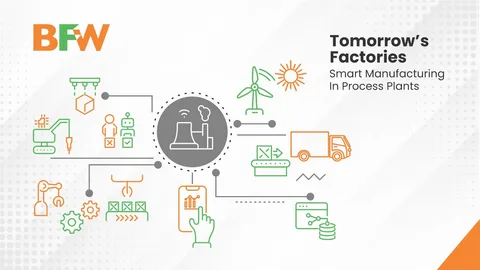
Global Manufacturing Sector Invests in Smart Factories
Manufacturing companies around the world are increasing investment in smart factory technologies as they seek higher productivity, improved quality, and greater operational flexibility. Automation, artificial intelligence, and industrial internet platforms are becoming central components of modern production strategies.
Industry experts say smart factories enable businesses to monitor equipment performance in real time, predict maintenance requirements, and optimize production schedules. These capabilities can reduce downtime, lower costs, and improve efficiency across manufacturing operations.
Workforce development is another important priority. Companies are investing in training programs that help employees develop digital skills and adapt to new technologies. Educational institutions and industry associations are also supporting initiatives designed to prepare workers for increasingly automated environments.
Supply chain integration remains a major advantage of digital manufacturing. Advanced systems allow businesses to coordinate more effectively with suppliers and customers, improving visibility and responsiveness. Analysts note that stronger supply chain coordination can reduce risk and improve competitiveness.
Sustainability considerations are influencing investment decisions as well. Manufacturers are implementing energy-efficient equipment, waste reduction programs, and environmental monitoring systems to meet regulatory requirements and customer expectations.
Market observers predict continued growth in smart factory adoption during the coming decade. Organizations that successfully combine technology, workforce development, and operational excellence may achieve significant competitive advantages. As innovation continues accelerating, digital manufacturing is expected to play an increasingly important role in global industrial development.