
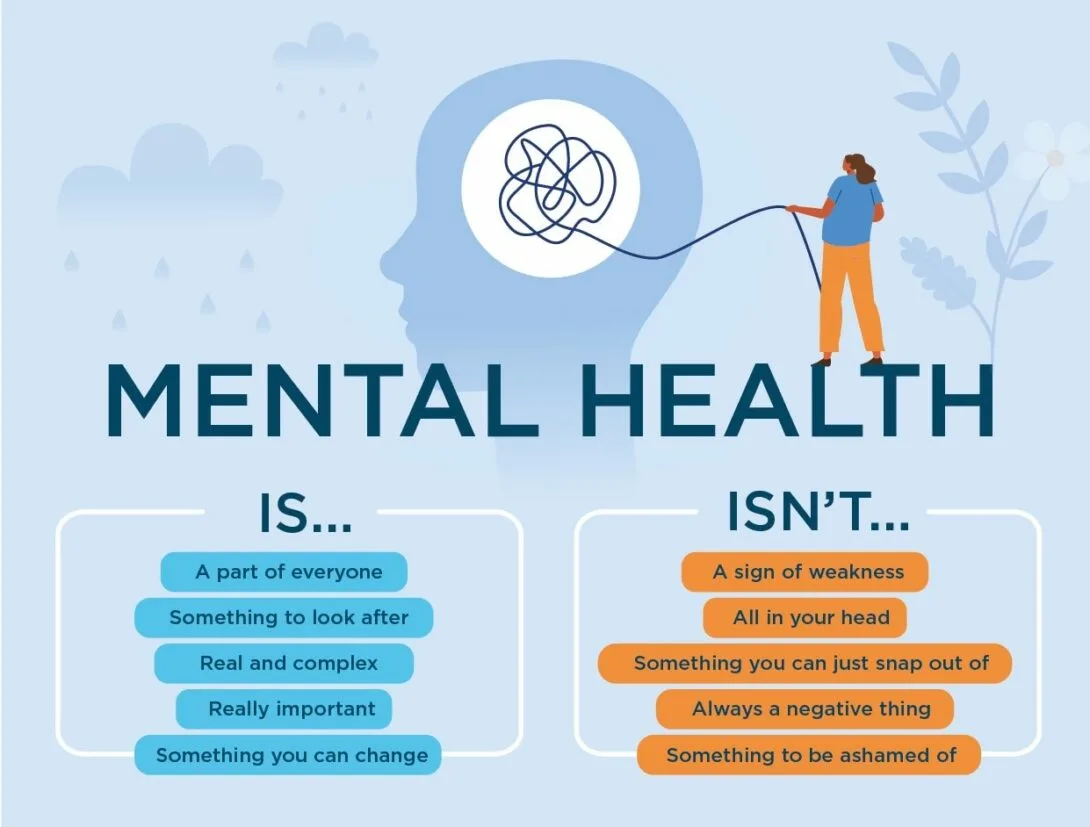
Mental Wellness Programs Expand Across Healthcare Systems
Mental wellness programs are becoming a larger part of healthcare strategies as providers and policymakers recognize the importance of psychological well-being in overall health outcomes. Hospitals, clinics, and community organizations are expanding services designed to support prevention, early intervention, and long-term care.
Healthcare professionals emphasize that mental health affects physical health, productivity, and quality of life. As awareness grows, more individuals are seeking support through counseling, therapy, and wellness initiatives. Organizations are responding by increasing service availability and reducing barriers to access.
Digital technologies are supporting these efforts through teletherapy platforms, mental wellness applications, and online education resources. These tools can help individuals access support more conveniently while enabling providers to reach broader populations.
Employers are also investing in workplace wellness programs. Many organizations now offer mental health resources, stress management training, and employee assistance services designed to improve well-being and reduce burnout. Experts say supportive workplace cultures can contribute to better outcomes.
Governments are increasing funding for awareness campaigns and community-based initiatives. Public health agencies continue promoting education and encouraging people to seek help when needed. Reducing stigma remains an important objective.
Analysts believe demand for mental wellness services will continue growing as awareness and access improve. Continued investment in healthcare infrastructure, technology, and education may help create more comprehensive support systems and improve long-term public health outcomes.